What Is Dandiya ?
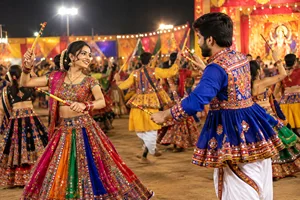
Dandiya, also known as Dandiya Raas, is a traditional Indian folk dance performed using two small sticks called dandiyas. Participants hold one stick in each hand and strike them against the sticks of other dancers while moving in circles or coordinated formations to the rhythm of traditional music.
The dance is particularly popular during Navratri, a Hindu festival dedicated to the worship of Goddess Durga and her various forms. Dandiya events feature lively Gujarati folk songs, devotional music, colorful costumes, and energetic dance movements.
Unlike many solo dance forms, Dandiya encourages people to dance with others. Participants must coordinate their movements, follow the beat, and maintain the rhythm while moving around the dance floor.
History and Origin of Dandiya
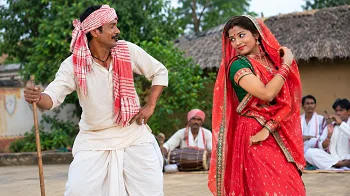
Dandiya Raas has deep cultural roots in Gujarat, where folk dances have traditionally formed an important part of religious festivals and community celebrations. The dance is closely associated with the Raas tradition, which also has connections to stories about Lord Krishna and his playful dances with the Gopis.
Over time, Dandiya became closely linked with Navratri celebrations and the worship of Goddess Durga. In popular interpretations, the sticks used in the dance symbolize the weapons of the goddess, while the energetic movements represent the victory of good over evil.
Although traditional Dandiya was primarily performed in community and religious settings, it has evolved considerably. Modern celebrations often combine traditional Gujarati folk music with contemporary arrangements, stage performances, DJ music, and organized competitions.
Today, Dandiya is recognized as an important expression of Gujarat's cultural heritage and a popular part of India's festive season.
Religious Significance of Dandiya
Dandiya is commonly performed during Navratri, a festival that celebrates the divine feminine energy associated with Goddess Durga. The festival commemorates the triumph of good over evil, represented in Hindu tradition by Goddess Durga's victory over the demon Mahishasura.
The dance is often understood as a symbolic expression of this victory. The rhythmic striking of the sticks and the circular movements create an atmosphere of celebration, devotion, and unity.
Many people begin their Navratri celebrations by visiting temples, offering prayers, and seeking blessings before participating in Dandiya events. In this way, the dance combines religious devotion with cultural enjoyment.
Practices and interpretations may vary between regions and communities, but devotion, joy, and togetherness remain central themes of the celebration.
Dandiya and Navratri: The Connection
Navratri is one of the most important festivals associated with Dandiya. Celebrated over nine nights, the festival honors Goddess Durga and her different manifestations.
During Navratri, communities organize Dandiya nights in open grounds, community halls, residential societies, cultural centers, and other public venues. These gatherings typically include traditional music, devotional songs, competitions, and group dancing.
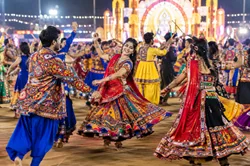
Participants often wear colorful Gujarati-inspired outfits, including chaniya cholis, kediyus, embroidered jackets, traditional jewelry, and accessories decorated with mirrors and colorful embroidery.
In Gujarat, cities such as Ahmedabad, Vadodara, Rajkot, and Surat are particularly well known for their vibrant Navratri celebrations. Similar events are now organized throughout India, making Dandiya a widely enjoyed part of the festive calendar.
Difference Between Dandiya and Garba
Dandiya and Garba are two popular Gujarati folk dances performed during Navratri. Although they are often organized at the same event, they have distinct characteristics.
Garba is generally performed in circular formations, traditionally around a centrally placed lamp or an image of the goddess. The movements focus on rhythmic clapping, hand gestures, and coordinated footwork.
Dandiya Raas, on the other hand, uses two sticks that dancers strike rhythmically against one another. Its movements often involve partner interactions, changing positions, and coordinated stick patterns.
The two dances share a strong connection with Gujarati culture and Navratri celebrations. At many modern events, Garba is performed first, followed by Dandiya Raas, although the order and format can vary.
Both dance forms encourage participation, celebrate cultural identity, and bring communities together.
Traditional Dandiya Dance and Its Music
Music is an essential part of every Dandiya celebration. Traditional Dandiya songs often feature Gujarati folk rhythms, devotional themes, and energetic beats that help dancers maintain their pace.
Common musical instruments include the dhol, dholak, tabla, and other percussion instruments. Modern performances may also use electronic instruments, synthesized sounds, and contemporary arrangements.
The tempo of the music influences the style of dancing. Beginners often find slower songs easier to follow, while experienced dancers enjoy faster rhythms and more complex stick patterns.
Dandiya performances may include simple partner exchanges, circular formations, and synchronized group movements. In larger events, dance groups sometimes rehearse elaborate routines for competitions and stage performances.
Despite modern musical influences, traditional folk songs and devotional compositions continue to play an important role in many celebrations.
Traditional Dandiya Dresses
Traditional clothing adds color and beauty to Dandiya celebrations. Outfits often feature bright colors, mirror work, embroidery, decorative borders, and traditional Gujarati designs.
Women's Dandiya Outfits
Women commonly wear a chaniya choli, consisting of a flared skirt, a fitted blouse, and a dupatta. These outfits may be decorated with mirror work, embroidery, tassels, and colorful patterns. Traditional jewellery, bangles, earrings, necklaces, and anklets can complete the look.
Men's Dandiya Outfits
Men often wear a kediyu, a traditional flared upper garment, paired with a dhoti or churidar. Another popular option is a kurta with a jacket or a colorful traditional ensemble.
Embroidery, turbans, waistcoats, and scarves are also popular choices.
Tips for Choosing Dandiya Clothing
Choose comfortable clothing that allows free movement. Lightweight fabrics are useful for long dance sessions, especially in crowded venues. Secure jewellery and accessories properly, and select footwear that provides a good grip and support.
The best outfit combines traditional style with comfort and safety.
How to Play Dandiya: A Beginner's Guide
Learning Dandiya can be enjoyable even for people who have never participated in a traditional folk dance.
- Hold the sticks correctly: Hold one Dandiya stick in each hand with a comfortable grip.
- Learn the basic rhythm: Start with simple movements and practice striking the sticks gently in time with the music.
- Follow your partner: Pay attention to the movements and timing of the dancers around you.
- Practice your footwork: Begin with small side steps and simple turns before attempting faster movements.
- Maintain coordination: Keep a safe distance from other dancers and avoid swinging the sticks too forcefully.
- Increase your speed gradually: Once you feel comfortable with the basic steps, practice faster rhythms and more complex patterns.
Beginners should start with slower songs or beginner-friendly dance sessions. With practice, coordination and confidence usually improve.
How Dandiya Is Celebrated Across India
Although Dandiya originated in Gujarat's cultural traditions, it is now celebrated in many parts of India.
In Gujarat, Navratri celebrations often feature large community events, traditional music, elaborate decorations, and enthusiastic participation. In cities such as Mumbai, Pune, Delhi, Bengaluru, and Jaipur, organizers arrange Dandiya nights in community grounds, hotels, clubs, and event venues.
Educational institutions, residential societies, cultural organizations, and workplaces may also hold Dandiya celebrations.
Outside India, Dandiya has become popular among Indian communities in countries such as the United States, the United Kingdom, Canada, and Australia. These events provide opportunities for people to celebrate Indian traditions and introduce younger generations to their cultural heritage.
The scale of celebrations differs by location, but the spirit of music, dance, and togetherness remains similar.
Benefits of Participating in Dandiya
Dandiya is a cultural activity that can also offer several general wellness and social benefits.
- Physical activity: Dancing involves movement, footwork, and coordination that can contribute to daily physical activity.
- Social connection: Group dancing helps people interact with friends, neighbors, and new acquaintances.
- Cultural awareness: Participating in traditional dances helps people learn about Gujarati customs and Indian folk traditions.
- Enjoyment and relaxation: Music and dancing can provide an enjoyable break from everyday routines.
- Coordination and rhythm: Practicing stick movements and footwork can help develop timing and movement coordination.
The amount of physical activity varies with the duration and intensity of dancing. Participants should take breaks, drink water, and avoid pushing themselves beyond their comfort level.
Tips for Organizing a Successful Dandiya Night
A well-organized Dandiya night can make Navratri more enjoyable for everyone.
1. Choose a suitable venue: Select a spacious location with enough room for circular dance formations and safe movement.
2. Arrange appropriate music: Include traditional Gujarati folk songs, devotional music, and suitable contemporary tracks.
3. Provide safe Dandiya sticks: Use lightweight, smooth sticks and check that they have no sharp edges or splinters.
4. Encourage traditional attire: Invite participants to wear colorful traditional outfits while prioritizing comfort.
5. Plan refreshments and water: Provide drinking water and suitable refreshments, especially for long events.
6. Include beginners: Offer a short demonstration or beginner-friendly session so newcomers can participate confidently.
7. Maintain crowd safety: Ensure sufficient space between dancers, keep exits clear, and provide assistance where needed.
8. Respect cultural traditions: Incorporate the religious and cultural significance of Navratri into the event rather than treating the celebration only as entertainment.
Dandiya in Modern Indian Culture
Dandiya has evolved from a regional folk tradition into a widely recognized cultural celebration. Social media, music videos, films, celebrity appearances, and large-scale festive events have helped introduce the dance to new audiences.
Modern Dandiya nights may include professional performers, themed decorations, competitions, live bands, and fusion music. At the same time, many communities continue to preserve traditional dance styles and Gujarati folk songs.
This balance between tradition and modern entertainment allows Dandiya to remain relevant to younger generations while retaining its cultural roots.
Dandiya also provides an opportunity for people from different backgrounds to participate in a shared celebration. Its popularity demonstrates how traditional art forms can adapt to changing times without losing their cultural importance.
Conclusion
Dandiya is an important part of India's festive and cultural heritage. Closely associated with Gujarat and Navratri, Dandiya Raas combines rhythmic music, colorful traditional clothing, coordinated movements, and community participation.
From its traditional roots to modern Dandiya nights held across India and abroad, the dance continues to bring people together through celebration and cultural expression.
Whether someone participates for religious devotion, cultural appreciation, physical activity, or simply the joy of dancing, Dandiya offers a memorable way to experience the festive spirit of Navratri.
By learning its history, understanding its significance, and participating respectfully, people can help preserve and celebrate this vibrant Indian tradition for future generations.
Comments
0