



Published: October 19, 2026
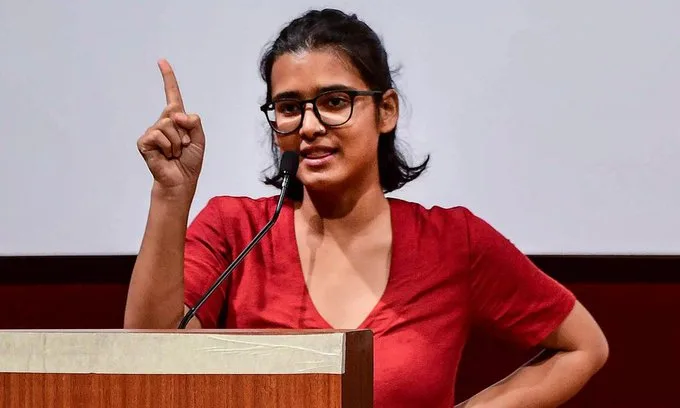
Who Is Neha Bora?
Neha Bora is a student activist and the national president of the All India Students' Association (AISA). She is associated with Jawaharlal Nehru University (JNU), where she has pursued doctoral research at the School of Arts and Aesthetics.
Bora has participated in student-led demonstrations concerning educational issues, civil liberties, unemployment and political accountability. She came into the spotlight in October 2026 after approaching the Delhi High Court to challenge a police notice issued following protests in the national capital.
The case has attracted attention because it raises questions about the use of preventive police powers during demonstrations and the constitutional rights of people participating in peaceful protests.
Why Did Neha Bora Approach the Delhi High Court?
Neha Bora reportedly approached the Delhi High Court challenging a notice issued by Delhi Police that required her to furnish a personal bond of ₹10,000, along with one surety, to maintain peace during an inquiry.
The notice followed her detention during protests connected with demands for accountability from Chief Election Commissioner Gyanesh Kumar and concerns over the revision of electoral rolls.
Bora challenged the police action, arguing that the notice lacked an adequate factual basis and could interfere with her right to participate in peaceful demonstrations.
Her petition questions whether the authorities had sufficient grounds to initiate preventive proceedings against her.
What Happened During the Delhi Protests?
The dispute emerged amid demonstrations in Delhi concerning the Election Commission of India and its Special Intensive Revision (SIR) of electoral rolls.
Protesters raised concerns about alleged deletions of voters' names and demanded accountability from the Chief Election Commissioner. Some demonstrators also called for his resignation.
Neha Bora participated in the protest activity during this period. Reports published on October 19, 2026, stated that she had been detained on October 16 and subsequently released.
The police later initiated proceedings seeking a peace bond. Bora disputed the police account linking her to the alleged instigation of a demonstration at Central Park in Connaught Place.
According to her reported legal arguments, she had called for a peaceful gathering at Mandi House. She questioned the basis for the police notice and its references to restrictions on public gatherings.
These points represent the arguments reported in connection with her petition and should not be treated as findings established by the court.
What Is the ₹10,000 Peace Bond Notice?
The police notice reportedly invoked Section 126 of the Bharatiya Nagarik Suraksha Sanhita (BNSS), 2023.
This provision allows an Executive Magistrate to initiate proceedings when information indicates that a person may commit a breach of the peace or disturb public tranquility. The process can require the person concerned to show cause and, where legally justified, provide security for maintaining peace.
In Bora's case, the notice reportedly sought a personal bond of ₹10,000 with one surety.
A peace bond is not the same as a criminal conviction. It is part of a preventive legal process intended to address a potential breach of peace.
The central issue in Bora's challenge is whether the proceedings were justified by the available facts and whether the notice complied with the applicable legal requirements.
What Are Neha Bora's Main Allegations Against Delhi Police?
1. The notice lacks an adequate factual basis
Bora has reportedly argued that the notice is vague and does not adequately explain why the authorities believe she may disturb public peace.
Her challenge questions the factual basis for linking her to the alleged instigation of a protest at Connaught Place.
2. Preventive powers may have been improperly used
Bora's petition reportedly argues that preventive legal proceedings should not be used without sufficient justification against people participating in peaceful demonstrations.
The court will need to consider the circumstances and the relevant legal provisions before determining whether the notice was lawful.
3. Her fundamental rights may be affected
The petition reportedly invokes constitutional protections relating to freedom of expression, peaceful assembly and personal liberty.
Article 19(1)(a) protects freedom of speech and expression, while Article 19(1)(b) protects peaceful assembly without arms, subject to constitutionally permitted restrictions. Article 21 protects life and personal liberty.
These rights are fundamental, but they are not absolute. Authorities may impose lawful restrictions in appropriate circumstances. The legal question is whether the action taken in this particular case satisfies the applicable requirements.
What Is the Connection With Chief Election Commissioner Gyanesh Kumar?
The wider context is the controversy surrounding the Election Commission's revision of electoral rolls and demands for accountability from Chief Election Commissioner Gyanesh Kumar.
The Special Intensive Revision process has generated political debate over voter-list changes, alleged deletions of names and the potential consequences for eligible voters.
Protesters have questioned aspects of the process, while the Election Commission has rejected allegations of political bias.
Neha Bora's participation in the protests provides the background to the police proceedings. However, her challenge to the peace bond is a separate legal issue from the wider debate over electoral-roll revision.
The High Court's consideration of her petition would focus on the legality of the police action rather than automatically resolving all the political questions surrounding the protests.
What Has Neha Bora Asked the Delhi High Court to Do?
According to reports about her petition, Bora has sought judicial intervention against the police notice.
Her requests reportedly include:
Cancellation of the notice: She wants the disputed police notice set aside.
Interim relief: She has sought a stay on the proceedings while her petition is considered.
Protection against coercive action: She has requested protection from adverse action arising from the disputed proceedings.
Judicial scrutiny: She wants the court to examine whether the notice has a sufficient factual and legal basis.
The exact relief ultimately granted will depend on the court's consideration of the petition and the responses of the authorities.
Has the Delhi High Court Given Its Verdict?
As of the reports available on October 19, 2026, Bora had approached the Delhi High Court, but the available reporting did not establish a final judgment granting her requested relief.
Reports indicated that the court was closed for the Dussehra vacation and that an emergency hearing had not been scheduled for that day.
It is therefore important not to claim that the court has cancelled the notice, ruled the police action illegal or granted a stay unless a subsequent order confirms that development.
The case should be described as a legal challenge unless and until the court issues a relevant order.
What Could Happen Next?
The Delhi High Court may examine the petition, seek a response from the authorities and consider whether interim relief is warranted.
Depending on the facts and applicable law, it could set aside the notice, decline the requested relief or issue other appropriate directions.
The proceedings before the Special Executive Magistrate may also remain relevant to the dispute.
These are possible legal outcomes, not predictions about the final decision.
Why Is This Case Important?
The case highlights the balance between the state's responsibility to maintain public order and citizens' constitutional rights to express their views and assemble peacefully.
Preventive measures can be legally available when the necessary conditions are met. At the same time, their use must comply with the law and cannot be assessed solely on the basis that a person participated in a protest.
The outcome may clarify how the authorities' preventive powers apply in the circumstances of this particular dispute. Until the court rules, however, the allegations and legal arguments should be distinguished from established findings.
Neha Bora, the national president of the All India Students' Association, approached the Delhi High Court to challenge a police notice reportedly requiring her to furnish a ₹10,000 peace bond after her detention during protests in Delhi.
She has questioned the factual basis of the notice and argued that the proceedings could interfere with her constitutional rights to free expression and peaceful assembly.
The case centres on whether Delhi Police had adequate legal grounds to initiate preventive proceedings and whether the notice complied with the law.
As of October 19, 2026, the matter was a legal challenge rather than a final judicial determination. Further developments will depend on the High Court's consideration of the petition and any subsequent orders.
Also Read :

Comments
0